Is there any difference between a consulate and an embassy? This is a common question among those beginning their forays into the world of international relations.
Although both are associated with the same government body, the Ministry of Foreign Affairs, both are official representations of a country on foreign soil, but their duties and areas of operation are different.
In this article, learn what defines an embassy and a consulate, highlighting their specific functions, the difference between them, and their importance in the context of international relations. Read on!
So, what exactly is an embassy?
An embassy is an official diplomatic representation of one country in another foreign country. Usually located in the capital of the host country, the embassy is responsible for representing and promoting the interests of its country of origin in the foreign country.
It is headed by an ambassador, who is the official representative of the home country’s government in the host nation.
Functions of an embassy
Embassies play several important roles in diplomatic relations between countries. Some of their main responsibilities are:
Representation of the government of the country of origin
As a country’s principal diplomatic representation abroad, an embassy serves as the point of contact for all official interactions between the government of the home country and the host country.
The ambassador, as head of the diplomatic mission, is responsible for conveying the policies and positions of their country’s government to the authorities of the country where the embassy is located.
Promotion and protection of interests
One of the main functions of an embassy is to promote and protect the interests of the host country in the host country.
This may include promoting trade and investment, defending the rights of citizens and businesses in the host country, and representing the country’s interests in international organizations based in the host country.
Facilitating communication and cooperation
An embassy acts as an official communication channel between the two countries, facilitating dialogue and cooperation on a wide range of issues, from political and economic matters to cultural and environmental issues.
This may involve organizing bilateral meetings, exchanging information, and coordinating efforts in areas of mutual interest.
Consular assistance and protection
In addition to their diplomatic responsibilities, embassies also provide consular assistance and protection to citizens of the country of origin who reside in or visit the host country.
This may include issuing passports and visas, providing assistance in emergencies such as accidents or political crises, and legally representing citizens of the country of origin before local authorities.
Negotiation of bilateral agreements and treaties
An embassy plays a key role in negotiating and implementing bilateral agreements and treaties between the two countries.
This could involve trade negotiations, cooperation agreements in areas such as science and technology, education and culture, and defense and security treaties.
What is a consulate?
A consulate is a diplomatic representation of a country in a foreign city, which is usually not the capital.
Like embassies, consulates are responsible for protecting and promoting the interests of their country of origin in the host country, but they have a more restricted geographical area of operation compared to embassies.
Functions of a consulate
Consulates perform a variety of functions, especially with regard to assisting and protecting citizens of the country of origin who reside in or travel within their jurisdiction. In addition, their responsibilities include:
Consular assistance and protection
One of the main roles of a consulate is to provide consular assistance and protection to citizens of the country of origin who are in the area under its jurisdiction.
This can include assistance in emergencies such as accidents, illnesses, or political crises, and support in difficult situations such as loss of documents or detention by local authorities.
Visa issuance
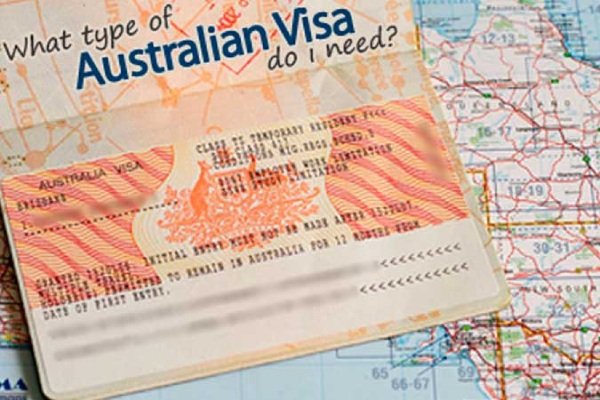
Consulates are responsible for issuing visas to foreigners who wish to visit or reside in their country of origin. They evaluate visa applications, verify applicants’ eligibility, and issue the necessary documents to allow entry into the country.
Civil registry
Consulates register births, marriages, and deaths of citizens of the country of origin that occur within their jurisdiction.
This ensures that these events are officially recognized by the government of the country of origin and that affected citizens have access to the corresponding services and benefits.
Promoting relationships
In addition to their consular responsibilities, consulates also work to promote commercial, cultural, and educational relations between the country of origin and the local community.
This could involve organizing cultural events, trade shows, educational fairs, and other initiatives aimed at strengthening ties between the two countries.
What is the difference between an embassy and a consulate?
The main difference between an embassy and a consulate is their location and area of operation.
While an embassy is located in the capital of the host country and has national jurisdiction, a consulate is located in a foreign city and has a more limited regional jurisdiction.
Furthermore, embassies generally handle high-level diplomatic matters, while consulates focus on consular issues and providing services to citizens.
Embassies are represented by an ambassador and are considered the highest authorities in matters of diplomacy between nations.
Its main objective is to ensure good political, economic, and cultural relations between the two countries. Generally, each country has a single embassy in each host nation, located in the federal capital.
On the other hand, consulates are headed by a consul and have somewhat less importance. They mainly deal with issues related to citizens of the country of origin who reside in or visit the host country. Consulates can exist in various locations, usually distributed in the main state capitals.
What is an honorary consulate?
An honorary consulate is an honorary diplomatic representation of a country in a foreign city, usually led by a local citizen acting as honorary consul.
Honorary consulates perform some of the functions of a regular consulate, such as providing consular assistance to citizens of the country of origin, promoting cultural and commercial relations, and facilitating the issuance of visas, but on a smaller scale and without the same diplomatic privileges and immunities.
What is the importance of embassies and consulates in issuing visas?
Embassies and consulates are essential for facilitating the flow of travel between countries and ensuring compliance with immigration laws and regulations.
Order processing
Embassies and consulates are responsible for processing visa applications submitted by foreigners who wish to visit or reside in a particular country.
This involves reviewing the documentation provided by applicants, verifying its authenticity and accuracy, and assessing their eligibility to receive a visa.
Interviews and decision making
In many cases, embassies and consulates conduct interviews with visa applicants to better assess their travel intentions and determine if they meet the criteria for granting a visa.
Based on these interviews, along with an analysis of the submitted documentation, consular authorities make informed decisions regarding the granting or refusal of visas.
Compliance with laws and regulations
Embassies and consulates are responsible for ensuring that all visa applications comply with the immigration laws and regulations of the destination country, verifying that applicants possess the necessary documents, such as: a valid passport, proof of sufficient financial means to cover their expenses during their stay, and evidence that they intend to return to their country of origin after the visit.
Providing information and guidance
In addition to processing visa applications, embassies and consulates also provide information and guidance to applicants about the different types of visas available, the requirements for each, and the application process.
This helps ensure that applicants are well-informed about what is required to obtain a visa and reduces the risk of errors or omissions at the time of application.
Read Also: How to Apply for a Canadian Visa Extension [Complete Guide]
Simplify your visa application process with us!
To facilitate visa and travel document procedures, travelers can rely on the specialized services offered by us.
With an experienced and dedicated team, we offer professional and personalized assistance to help travelers obtain the necessary visas quickly and efficiently, making the travel process smoother and hassle-free.
Don’t let bureaucratic procedures derail your travel plans – trust us to ensure a smooth and worry-free travel experience!